Mushroom Accordion Card: A Comprehensive Evaluation for Crafters
The Mushroom Accordion Card represents a specific intersection of papercraft design and digital cutting technology. For hobbyists and professional designers alike, the decision to incorporate this element into a project often hinges on technical compatibility and aesthetic goals. This resource is distributed as a compressed Zip file containing both SVG and PNG file formats, ensuring broad accessibility across various software ecosystems including Silhouette Studio, Cricut Design Space, Scan N Cut, and Adobe Illustrator.
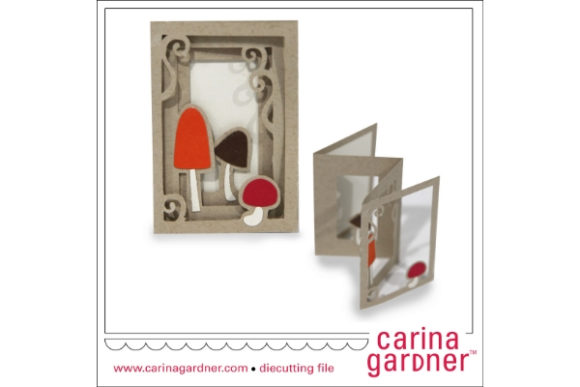
Understanding the utility of the Mushroom Accordion Card requires looking beyond the visual appeal of the final product. It is a functional design that allows flat cardstock to expand into a three-dimensional structure resembling an accordion or a blooming mushroom cap. The evaluation below explores the practical applications, technical requirements, and strategic considerations for those deciding whether to integrate this asset into their workflow.
Defining the Mushroom Accordion Card
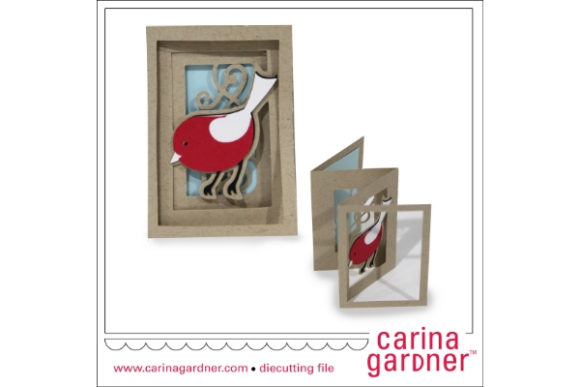
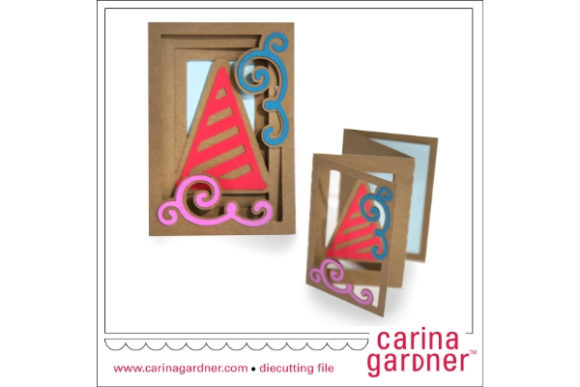
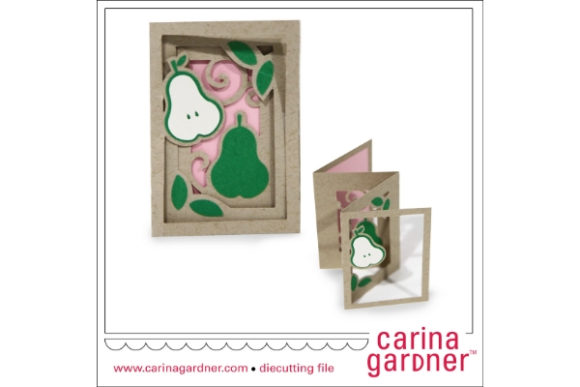
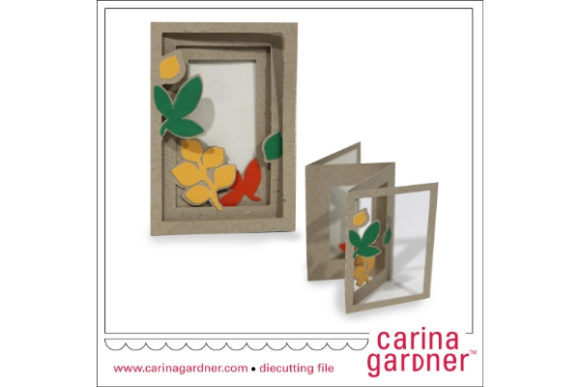
An accordion card utilizes a series of parallel folds to create a mechanism where the paper expands and contracts. When applied to a mushroom theme, the design typically features a central stem and a cap that opens up to reveal hidden messages, images, or decorative layers. The "Mushroom Accordion Card" specifically refers to a pre-designed template optimized for this folding mechanism.
The inclusion of multiple file formats within the download package addresses the diverse needs of modern crafters. The SVG (Scalable Vector Graphics) format is the industry standard for electronic cutting machines. It consists of mathematical paths that allow for infinite scaling without loss of quality, making it essential for precise cuts on vinyl, cardstock, and specialty papers. Conversely, the PNG (Portable Network Graphics) format provides a raster image with a transparent background. While not suitable for direct cutting in most machine software without conversion, PNG files are invaluable for digital scrapbooking, photo editing, and printing projects where vector data is not required.
Technical Compatibility and Workflow Integration
A primary factor in selecting any digital cut file is its compatibility with existing tools. The Mushroom Accordion Card is engineered to function seamlessly within the major platforms used by the crafting community.
- Cricut Design Space: Users can upload the SVG directly to the canvas. The software recognizes the cut lines, allowing for immediate weeding and matting. The file structure supports multi-layer operations, which is critical for the accordion effect where different colors or textures may be needed for the cap and the stem.
- Silhouette Studio: Similar to Cricut, Silhouette users benefit from the vector nature of the SVG. The software's advanced node editing tools allow for further customization of the fold lines if the user wishes to adjust the depth of the accordion pleats.
- Brother Scan N Cut: The native support for SVG files in newer models ensures that the design can be processed without extensive reformatting. This makes the file highly versatile for users who own Brother equipment.
- Adobe Illustrator: For graphic designers, the ability to open the SVG in Illustrator offers the highest level of control. Users can manipulate individual paths, change stroke weights, or integrate the mushroom shape into larger, complex layouts before exporting to a cutting format.
Benefits of Using Pre-Designed Templates
While creating an accordion mechanism from scratch is possible, it demands a high degree of precision regarding measurements and scoring techniques. Utilizing the Mushroom Accordion Card offers several distinct advantages.
Structural Integrity: The geometry of an accordion fold relies on exact ratios between the width of the panels and the height of the folds. Pre-made files are mathematically calculated to ensure that when the card is closed, the edges align perfectly without gaps or misalignment. Attempting to hand-calculate these dimensions often leads to frustration and wasted materials.
Time Efficiency: Digital cutting eliminates the need for manual measuring and scoring of every single fold line. Once the file is loaded, the machine handles the precision cutting, significantly reducing the time spent on the physical construction phase of the project.
Consistency: For creators producing cards in bulk, such as for weddings, parties, or small businesses, consistency is paramount. The Mushroom Accordion Card ensures that every unit produced looks identical, maintaining a professional standard that is difficult to achieve through manual drafting.
Tradeoffs and Practical Considerations
Despite the clear benefits, there are tradeoffs to consider before committing to this type of project. The complexity of the design introduces potential points of failure during assembly.
Folding Precision: Even with perfect cuts, the success of an accordion card depends heavily on the scoring process. If the score lines are too shallow, the card will resist folding; if they are too deep, the paper may crack. Users must invest time in testing the appropriate score settings for their chosen material thickness.
Material Limitations: The accordion mechanism requires flexibility. Very thick cardstock or rigid chipboard may not fold smoothly, leading to a bulky finished product that does not close properly. Thinner papers, while easier to fold, may lack the structural rigidity to hold the mushroom shape upright. Finding the right balance of weight and flexibility is a necessary step in the planning process.
Learning Curve: For beginners, the concept of layering and assembling a 3D card can be daunting. The instructions provided with the file must be followed meticulously. Misinterpreting the order of assembly can result in a non-functional model.
Evaluating Fit for Your Goals
Determining whether the Mushroom Accordion Card is the right choice involves assessing your specific project requirements and skill level.
This asset is a strong fit for individuals who value dimensionality. If the goal is to create a gift that stands out due to its interactive nature, the accordion mechanism provides a delightful surprise element that flat cards cannot match. It is particularly effective for birthdays, anniversaries, or thank-you notes where a longer message or a larger display area is desired without increasing the envelope size.
Furthermore, it suits those interested in nature-inspired themes. The organic shape of the mushroom pairs well with earthy color palettes, floral accents, and woodland aesthetics. The file allows for easy customization, enabling users to add text or small icons within the expanded sections of the cap.
When to Consider Alternatives
There are scenarios where the Mushroom Accordion Card may not be the optimal solution. If the project timeline is extremely tight, the additional time required for scoring and assembling the accordion folds might be prohibitive compared to a standard folded card.
Additionally, if the intended recipient prefers minimalism, the intricate details of an accordion expansion might feel excessive. In cases where the budget is constrained and the crafter lacks access to a compatible electronic cutter, purchasing a physical kit or using a pre-made blank card might be more cost-effective than investing in digital files and specialized materials.
For users working with very heavy stock or unique materials like metal foil or leather, standard accordion templates may require significant modification. In these instances, designing a custom mechanism or choosing a simpler pop-up style might yield better results.
Conclusion
The Mushroom Accordion Card serves as a versatile tool for enhancing papercraft projects with a touch of whimsy and functionality. Its availability in both SVG and PNG formats ensures compatibility with a wide range of digital design environments, from consumer-grade cutting machines to professional graphic design suites. While the assembly process requires patience and attention to detail, the resulting three-dimensional piece offers a rewarding experience for the creator and a memorable keepsake for the recipient.
By weighing the benefits of structural precision and time savings against the challenges of material selection and assembly complexity, crafters can make an informed decision. For those seeking to elevate their card-making repertoire with a unique, interactive element, the Mushroom Accordion Card presents a compelling option that balances aesthetic charm with technical feasibility.