Accordion Party Hat Card: Avoid These Pitfalls Before You Cut
There is a specific kind of joy that comes from handing someone a handmade invitation or greeting card. It transforms a simple message into a tangible memory. Among the various creative projects available to crafters, the Accordion Party Hat Card stands out as a unique blend of whimsy and engineering. It isn't just a flat piece of paper; it is an interactive experience that unfolds like a surprise party in your hands.
However, while the final result looks effortless, the path to creating one can be fraught with technical hurdles if you are not prepared. Many creators rush into downloading files without understanding the nuances of digital cutting formats, only to end up with misaligned folds or materials that refuse to cut cleanly. This guide is designed to help you navigate the process of acquiring and using these designs effectively, ensuring your project results in a high-quality keepsake rather than a frustrating waste of time and materials.
Understanding the Design and Its Appeal
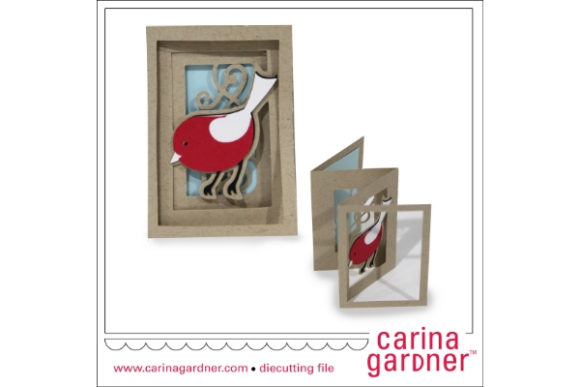
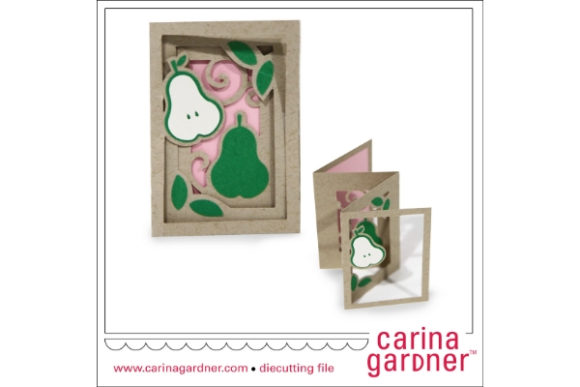
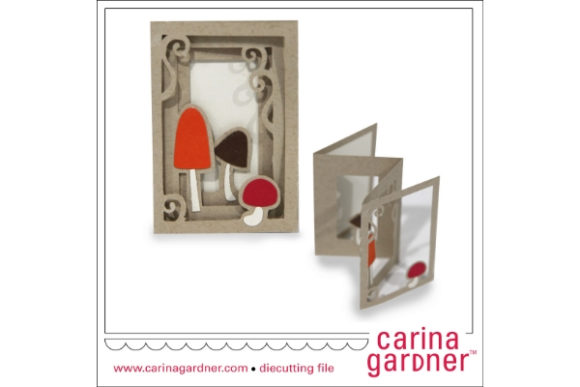
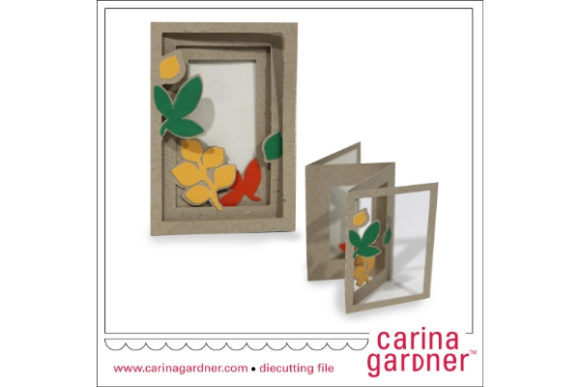
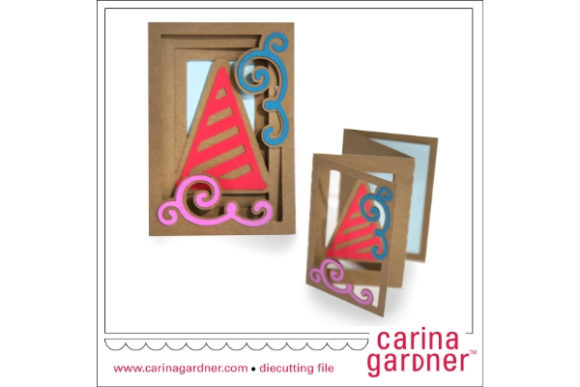
An Accordion Party Hat Card is essentially a folded paper structure that mimics the shape of a festive hat but utilizes an accordion fold mechanism. When closed, it is compact and neat. When opened, it expands to reveal a colorful, textured surface that often features party themes, balloons, or celebratory text. The appeal lies in its interactivity. Unlike a standard card that opens once, this design invites the recipient to engage with the object physically.
For small business owners and entrepreneurs, this type of card offers a distinct advantage in branding. It provides a memorable unboxing experience that encourages social sharing. For hobbyists and educators, it serves as an excellent project for teaching spatial reasoning and fine motor skills. The versatility of the design means it can be adapted for birthdays, graduations, baby showers, or even corporate events. But before you start cutting, you need to ensure you have the right tools and files.
The Critical Importance of File Formats
One of the most common mistakes beginners make is assuming all digital cut files are created equal. If you purchase a design that only works in one specific software, you may find yourself stuck when trying to use a different machine. A robust solution for the Accordion Party Hat Card includes both SVG and PNG files within a convenient Zip archive. This compatibility is non-negotiable for modern crafting.
SVG (Scalable Vector Graphics) are essential because they allow you to resize your design without losing quality. Whether you want to create a tiny favor tag or a large table centerpiece, the vector data ensures crisp lines. Furthermore, SVGs contain separate layers, which is crucial for complex projects. Without layer separation, you might accidentally cut through multiple colors at once, ruining the assembly process.
PNG files, on the other hand, serve a different purpose. They are ideal for Print-and-Cut projects where you need to print an image on your home printer and then use your machine to trace the borders. If you lack access to a high-end cutter or prefer to do some work by hand, having the PNG version allows you to utilize standard printers and scissors. Ignoring the file type requirements of your specific workflow can lead to wasted material and hours of frustration.
Common Mistakes That Ruin the Project
Even with the best intentions, errors can occur during the production phase. Understanding these potential pitfalls early can save you significant money and effort. The following sections highlight the most frequent issues users encounter and how to correct them.
- Ignoring Material Compatibility: Not all cardstocks behave the same way. Thick, heavy cardstock may cause the accordion folds to crack or fail to hold their shape. Conversely, paper that is too thin may look flimsy and tear easily during the expansion process. Always test a small sample before committing to a full batch of cards.
- Misinterpreting Layer Instructions: Digital files often come with instructions that assume a certain level of familiarity with software like Silhouette Studio or Cricut Design Space. Failing to group or weld layers correctly can result in the machine attempting to cut intricate details that should remain uncut, such as the internal fold lines. Ensure you understand the difference between "Cut" and "Score" lines in your software settings.
- Neglecting the Zip File Structure: Downloaded assets often arrive compressed. If you do not extract the contents of the Zip file properly, you may try to open corrupted or incomplete files. Always verify that both the SVG and PNG versions are present and readable before importing them into your design program.
- Overlooking Software Versions: While the files are compatible with Adobe Illustrator, Scan N Cut, and others, older versions of these programs may struggle with newer SVG standards. If your design appears distorted or missing elements, check for software updates or convert the file to a more compatible format.
Ensuring Quality and Professional Results
To achieve a professional finish, attention to detail during the setup phase is paramount. When working with the Accordion Party Hat Card, precision in folding is just as important as the cutting itself. The accordion fold requires consistent pressure and alignment. If the folds are uneven, the card will not sit flat when closed, and the visual impact will be diminished.
Consider the color palette carefully. Since the design expands, the interior surfaces become highly visible. Using contrasting colors for the inner and outer layers can enhance the "pop" effect when the card is opened. However, avoid overly dark colors on the inside if the lighting conditions of your event are dim, as they may appear black and hide any printed details.
When preparing your design in software, always double-check the dimensions. A common error is setting the canvas size incorrectly, leading to a card that is either too small to fit a gift card or too large for standard envelopes. Verify the measurements against your intended envelope size before sending the job to the cutter.
Maximizing Efficiency and Cost-Effectiveness
For those producing these cards in bulk, whether for a wedding or a commercial venture, efficiency is key. Utilizing the layered nature of the SVG file allows you to optimize material usage. You can nest smaller cut pieces within the negative space of larger shapes to minimize scrap paper. This practice not only reduces costs but also aligns with sustainable crafting principles.
Furthermore, having the ability to edit the design in Adobe Illustrator gives you control over text and graphics. If you need to personalize a batch of cards with names or dates, ensure you have the necessary fonts installed and that the text is converted to outlines to prevent formatting issues when moving files between computers. This step prevents last-minute scrambling and ensures consistency across your entire order.
Final Thoughts on Choosing the Right Assets
Selecting the right digital asset for your project is about more than just the price tag. It is about the functionality, compatibility, and support provided. A high-quality Accordion Party Hat Card file should empower you to create beautiful results regardless of your equipment. By prioritizing files that offer both SVG and PNG options, you future-proof your workflow and ensure flexibility.
Take the time to review the product description carefully. Look for mentions of compatibility with major platforms like Silhouette Studio and Cricut Design Space. Read user reviews to see if others have encountered specific issues with the folding instructions or file integrity. Being proactive in your research will pay off in the form of smoother production and happier recipients.
Ultimately, the goal is to bring joy through creativity. By avoiding common technical traps and focusing on proper preparation, you can transform a simple digital download into a stunning, handcrafted masterpiece. Whether you are a seasoned pro or a beginner taking your first steps, the right approach ensures that every fold counts and every card tells a story.