The Modern Creator's Toolkit: Elevating Projects with the Beach Bag and Great Little Box
In an era defined by rapid technological advancement and a surge in personalized consumer goods, the intersection of digital design and physical crafting has never been more vibrant. For professionals, entrepreneurs, and enthusiasts alike, the ability to translate digital assets into tangible reality is a skill that bridges creativity and commerce. At the heart of this movement lies a versatile concept that has captured the attention of makers everywhere: the Beach Bag. Often paired with its compact counterpart, the Great little box with so many uses, these designs represent more than just simple paper crafts; they are a testament to the evolving landscape of digital cutting technology and the growing demand for customizable, scalable solutions.
Redefining Utility in the Digital Age
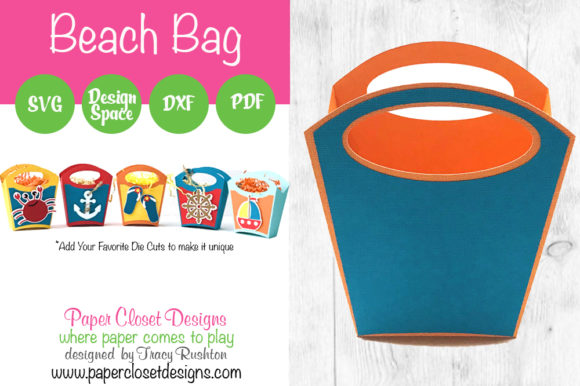
The Beach Bag is not merely a container for towels or sunscreen; it is a sophisticated design archetype that challenges the traditional limitations of flat-pack manufacturing. In the broader context of the creative industry, there is a distinct shift towards modular design. Consumers and businesses are moving away from one-size-fits-all products toward items that can be adapted to specific needs, aesthetics, and functional requirements. The Beach Bag exemplifies this trend. Its structure allows for easy resizing, enabling creators to produce everything from miniature decorative items to large-scale promotional giveaways without altering the fundamental integrity of the design.
This adaptability is crucial in today's market, where agility is a competitive advantage. Whether you are a freelancer creating custom packaging for a boutique client or a small business owner launching a seasonal product line, the ability to instantly adjust dimensions is invaluable. The design accommodates various materials, encouraging users to make it unique by using their favorite cardstock and printed papers. This flexibility transforms a standard template into a bespoke asset, reflecting the user's brand identity or personal style with precision.
The Ecosystem of Digital Cut Files
The proliferation of the Beach Bag and similar designs is inextricably linked to advancements in digital cutter technology. Platforms like Cricut Design Space, Silhouette Cameo, and Brother Scan and Cut have democratized access to high-quality production tools. These devices have moved beyond hobbyist garages and into professional studios, serving as essential workstations for marketers and designers who need to prototype quickly.
The technical specifications surrounding these files highlight a commitment to precision and user experience. A comprehensive package typically includes:
- SVG File: Ensures scalability without loss of quality, allowing for crisp cuts at any size.
- DXF File: Provides compatibility across various vector-based software platforms.
- Design Space with Perforation Lines: This is a critical feature for professionals. The inclusion of score lines attached before cutting ensures that folds are clean and precise, mimicking industrial die-cutting standards.
- PDF Template: Offers a printable guide for those who prefer manual assembly or need to verify dimensions before cutting.
By delivering these files in a zipped format that includes all necessary components, creators are empowered to streamline their workflows. The removal of friction between the digital file and the physical output is what makes these tools so effective. It allows the creator to focus on the artistic and strategic aspects of the project rather than wrestling with technical constraints.
Meeting Changing Consumer Expectations
The rise of the Beach Bag design also mirrors a significant shift in consumer behavior. Modern buyers are increasingly seeking authenticity and personalization. They want products that tell a story or reflect their individuality. The ability to decorate with favorite Die Cuts or SVG Cuts allows for endless customization. A marketer might use this to create branded merchandise that stands out in a crowded marketplace, while a craft enthusiast might use it to build a unique gift set for a loved one.
This demand for customization drives the relevance of the Great little box with so many uses. In a world saturated with mass-produced goods, a box that can be easily resized and decorated offers a solution to the "generic" problem. It serves as a canvas for innovation. For instance, a wedding planner could resize the box to hold favors, decorate it with floral SVGs, and scale it down to fit perfectly on a guest table. Alternatively, a tech entrepreneur could use the same design principles to create packaging for a new gadget, utilizing sturdy cardstock to convey durability and quality.
Bridging the Gap Between Hobby and Enterprise
One of the most compelling aspects of these digital assets is how they blur the lines between hobbyist crafting and professional enterprise. The technology required to utilize them—digital cutters—is now accessible and affordable enough for freelancers to start a side hustle. Yet, the output quality is sufficient for commercial applications.
This accessibility fosters a dynamic ecosystem where trends move faster than ever. A design that becomes popular on social media can be replicated, modified, and distributed globally within hours. The Beach Bag serves as a prime example of this velocity. Its simple yet elegant structure invites experimentation. Users can layer different textures, combine it with other elements, or alter the color palette to match current design trends. This iterative process is essential for staying relevant in a fast-paced market.
Practical Applications in Modern Workflows
To understand the true value of the Beach Bag and the Great little box, one must look at practical applications across various sectors. For event planners, these templates offer a cost-effective way to create custom invitations, party favors, and decor elements. The perforation lines ensure that assembly is efficient, reducing labor time significantly compared to traditional methods.
In the realm of educational resources, teachers and homeschooling parents utilize these files to create interactive learning tools. The ability to resize the box allows for the creation of storage solutions for classroom supplies, while the decorative options enable the integration of educational themes directly into the packaging.
Furthermore, the environmental aspect cannot be overlooked. By using digital files, creators reduce waste associated with pre-manufactured packaging that may not fit specific needs. The option to choose sustainable cardstock or recycled printed papers aligns with the growing global emphasis on eco-conscious practices. This alignment with sustainability trends enhances the brand value for businesses that adopt these methods.
Navigating the Digital Landscape
It is imperative to note that the acquisition of these tools represents a shift in how we interact with physical objects. When purchasing such a product, one receives a DIGITAL CUT FILE. No physical items will be mailed to you. This distinction is vital for understanding the nature of the transaction. You are buying the intellectual property and the blueprint, not the finished good. This model empowers the buyer with total control over the production timeline, material selection, and final aesthetic.
For professionals, this means greater autonomy. Instead of waiting for a supplier to manufacture a specific item, you can produce it in-house, on-demand, exactly when needed. This just-in-time approach reduces inventory costs and minimizes the risk of unsold stock. It is a strategy that resonates deeply with modern supply chain management principles.
Conclusion: The Future of Custom Creation
The Beach Bag and the Great little box with so many uses are more than just downloadables; they are symbols of a creative renaissance. They represent a future where technology serves to amplify human creativity rather than replace it. As digital cutting tools become more sophisticated and accessible, the potential for innovation continues to expand.
Whether you are a seasoned entrepreneur looking to optimize your packaging workflow or a passionate creator seeking new ways to express yourself, these tools provide the foundation for success. By embracing the flexibility of resizable designs, the precision of score lines, and the endless possibilities of SVG customization, you position yourself at the forefront of the industry. The ability to make something unique by using your favorite cardstock and printed papers is the key to standing out in a crowded market. As we move forward, the synergy between digital design and physical craftsmanship will only deepen, offering new opportunities for those willing to explore the full potential of their creative toolkit.