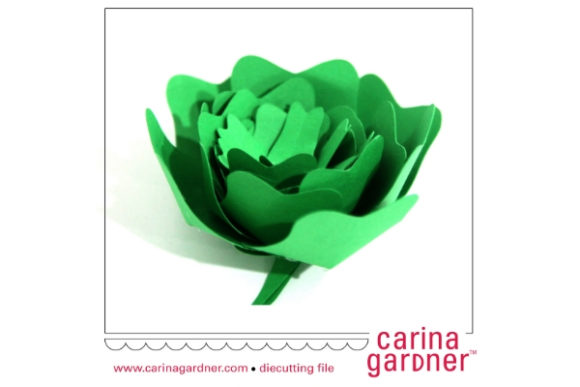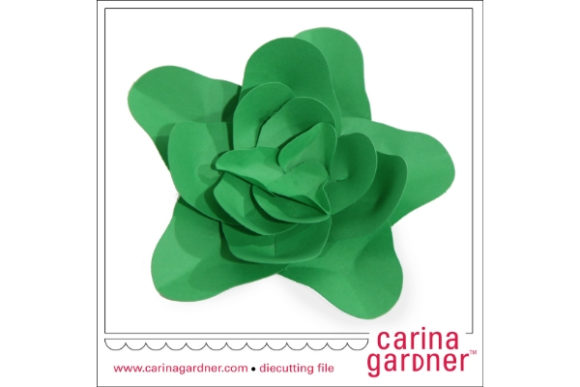
Sweet Succulent: Avoiding the Pitfalls of Cutting Machine Designs
If you have stumbled upon the Sweet Succulent digital design, you are likely looking to add a touch of greenery to your next crafting project without spending hours drawing it from scratch. Whether you are creating custom t-shirts, home decor signs, or social media graphics, having access to high-quality vector files is a game-changer for creators in 2024. However, while the promise of a "Sweet Succulent" file sounds simple, the reality of using these assets often involves navigating technical hurdles that can ruin your final product if you aren't prepared.
The most common mistake beginners make is assuming that all downloadable designs are created equal. Many users download a file labeled as compatible with their machine only to find that the lines are broken, the colors are wrong, or the software refuses to recognize the paths. This frustration often stems from not verifying the specific file formats included in the package before hitting the download button. A design might look perfect on a screen but fail completely when sent to a Silhouette Cameo or Cricut Maker if the underlying data structure is incorrect.
Understanding File Formats and Compatibility
When evaluating a Sweet Succulent bundle, the first thing you must check is the inclusion of both SVG and PNG files. These two formats serve distinct purposes, and relying on just one often leads to subpar results. The SVG (Scalable Vector Graphics) file is the gold standard for cutting machines like Silhouette Studio, Cricut Design Space, and Brother Scan N Cut. It contains mathematical paths that allow the blade to cut precise shapes regardless of how much you resize them.
Conversely, the PNG (Portable Network Graphics) file is essential for printing and iron-on applications where you need a solid image rather than cut lines. If a seller provides only an SVG, you cannot easily print the design onto a sticker sheet without converting it, which sometimes introduces errors. If they provide only a PNG, you will struggle to cut intricate details out of vinyl because the software sees it as a single block of pixels rather than individual layers. Always ensure the package explicitly states it includes both types to maximize versatility across different projects.
The Layering Trap in Complex Designs
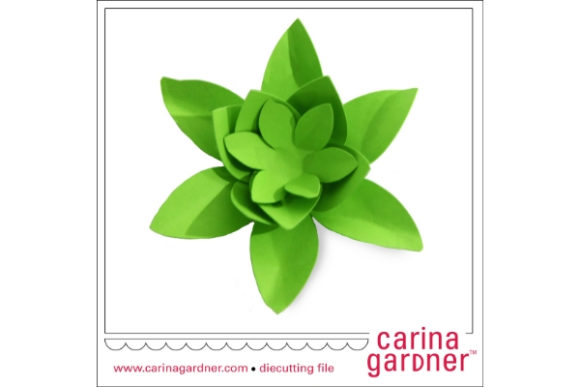
Even with the correct file formats, many users encounter issues with layering. A well-designed Sweet Succulent graphic should be separated into logical layers, such as the pot, the leaves, and any text elements. When designers export files poorly, everything gets merged into a single path. This forces you to manually ungroup and separate elements within your software, a process that is time-consuming and prone to error.
If you open a design and find that the entire succulent is one giant shape, you risk wasting expensive materials. You might attempt to cut a multi-colored shirt design, only to realize you cannot align the colors correctly because the layers are fused. To avoid this, always preview the design in your software before loading material. Check if the "Ungroup" function works immediately upon import. If the layers are locked together, you may be dealing with a low-quality source file that requires significant manual correction.
Software-Specific Nuances and Settings
Different cutting platforms handle vector data differently, and what works in Adobe Illustrator might not translate perfectly to Cricut Design Space without adjustment. For instance, some users try to import SVG files directly into older versions of Silhouette Studio without updating the software, leading to missing fonts or distorted curves. Similarly, transferring files from Illustrator to a browser-based tool like Cricut Design Space can sometimes alter the color coding if the original file used non-standard hex codes.
To ensure your Sweet Succulent project looks professional, you must understand the specific requirements of your chosen tool. If you are using Adobe Illustrator, verify that all strokes are converted to fills before exporting. If you are using a browser-based cutter, remember that complex gradients or effects might not render correctly during the cutting process. The solution is to keep your workflow simple: use flat colors for cutting projects and save your master files in a format that preserves the integrity of the lines.
Another frequent oversight involves the orientation of the design. Some creators assume the file will appear upright when uploaded, but many SVGs are designed with the bottom-left corner as the origin point. This can result in your cutting mat trying to cut upside down or rotated at an awkward angle. Always rotate the design within your software interface to match your physical material layout before sending the job to the machine. This small step prevents wasted vinyl and ensures the final cut aligns with your expectations.
Evaluating Quality Before You Buy
Before purchasing or downloading a Sweet Succulent pack, take a moment to inspect the preview images closely. Do the lines look smooth, or do they appear jagged? Are the curves fluid, or do they look pixelated? High-quality vector art maintains its sharpness at any size. If the preview shows blurry edges, the source file likely has poor resolution or was traced incorrectly from a raster image.
Additionally, check the complexity of the design. While intricate details are appealing, they can be difficult to weed (remove excess vinyl) if the pieces are too small. A designer might create a beautiful Sweet Succulent with tiny leaves that are impossible to remove cleanly without tearing the surrounding material. As a practical rule of thumb, ensure that no cut piece is smaller than the width of your blade's kerf, typically around 0.5mm to 1mm depending on the material. If the design seems too delicate for your intended application, consider scaling it up or choosing a simpler version.
Common Misunderstandings About Licensing
There is also a widespread misunderstanding regarding commercial rights. Just because you bought a digital file does not automatically mean you can sell products made with it. Some licenses restrict the number of items you can produce, while others prohibit selling finished goods entirely. Failing to read the fine print can lead to legal issues or the loss of your small business reputation. Always confirm whether the license covers personal use, limited commercial use, or unlimited commercial production.
Furthermore, be wary of "free" downloads that require you to sign up for extensive newsletters. Often, these files are outdated or contain hidden watermarks that ruin the aesthetic. Investing in a reputable source ensures you get a clean, virus-free file that supports the artist and guarantees compatibility with modern software updates.
Maximizing Your Results with Better Practices
To truly leverage the potential of the Sweet Succulent design, adopt a systematic approach to your workflow. Start by testing the file on scrap material to check alignment and cut depth. Use a brayer or scraper to ensure the vinyl adheres properly to the transfer tape before applying it to your final surface. These steps might seem minor, but they are the difference between a store-bought quality finish and a DIY amateur job.
Finally, embrace the learning curve. If you encounter a glitch, don't assume the file is defective; check your software settings, update your drivers, or consult the community forums for specific troubleshooting tips related to your machine model. By approaching each project with curiosity and caution, you can avoid the common pitfalls that frustrate so many hobbyists and professionals alike. With the right preparation, the Sweet Succulent file becomes more than just a clipart; it transforms into a versatile tool that elevates your creative output and streamlines your production process.