Joyeux Noel Card Papercut: A Strategic Workflow for High-Quality Holiday Greetings
In the landscape of holiday marketing and personal communication, the Joyeux Noel Card Papercut represents more than a simple seasonal decoration; it is a tangible asset that bridges digital design with physical craftsmanship. For professionals, creators, and small business owners, integrating this specific papercut design into your workflow offers a unique opportunity to elevate brand perception or deepen personal connections through high-quality, laser-cut aesthetics. The transition from a digital file to a finished product requires precise planning, tool selection, and material management to ensure the final output meets professional standards.
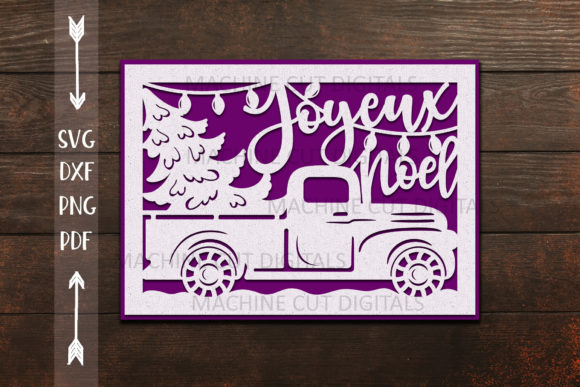
This guide outlines the practical implementation of the Joyeux Noel Card 362 SVG DXF PNG PDFCut design. Whether you are utilizing a laser machine like Glowforge or a blade-based cutter such as Cricut, Silhouette, or ScanNCut, understanding the technical specifications and file structure is critical for efficiency. The goal is to streamline the production process while maintaining the intricate details that define the papercut aesthetic.
Understanding the Asset and File Architecture
The core of successful execution lies in how you manage the downloaded assets. Upon purchase, you receive a ZIP folder containing the necessary components. It is imperative to note that these files are compressed, meaning immediate access requires unzipping the package before any software can read them. This step is often overlooked but is fundamental to preventing errors during the import phase of your cutting software.
The collection includes four distinct file formats: SVG, DXF, PDF, and PNG. Each serves a specific role in the production pipeline:
- SVG (Scalable Vector Graphics): The primary format for blade-based machines like Cricut and Silhouette. It allows for infinite scaling without losing resolution, essential for adjusting the card size within your design software.
- DXF (Drawing Exchange Format): Optimized for vector-based workflows and compatible with various CAD and laser engraving software, making it ideal for industrial-grade precision.
- PDF: Useful for layout verification and printing instructions, ensuring that the dimensions match your intended paper stock.
- PNG: While primarily used as a preview image, this file acts as a visual reference. Use the PNG to identify the correct file among the bundle elements, especially when dealing with complex designs where every element is separated.
A crucial detail regarding the file structure is that every design element is provided as a separate file. This modularity is not a limitation but a feature designed for advanced users who need to layer backgrounds, text, or decorative inserts independently. However, please note that background images are not included in the download; you must source your own rectangular backgrounds or create custom layers within your software to complete the composition.
Machine Selection and Technical Specifications
The choice between a laser cutter and a blade cutter dictates the preparation strategy. Both methods yield excellent results for the Joyeux Noel Card Papercut, but they operate on different physical principles requiring distinct settings.
Laser Cutting (Glowforge and similar)
Laser cutters use light energy to vaporize or burn through material. When working with this design on a laser machine, the focus should be on power calibration and speed. The intricate nature of the papercut design demands a clean pass to avoid charring, which can obscure fine details. Since the design includes a rectangle background for the rectangle version, the laser can simultaneously cut the frame and the internal details if configured correctly. Ensure your material is flat and secured to prevent shifting during the burn process.
Blade-Based Cutting (Cricut, Silhouette, ScanNCut)
For blade machines, the workflow shifts toward pressure, speed, and mat adhesion. The design is optimized for standard cardstock, but the physical constraints of the blade require careful attention to scale. To achieve a professional finish, the design should not be scaled down below 5×7 inches in its unfolded mode. Ideally, aim for a 10×7 inch unfold for larger cards that allow for easier handling of the delicate cut lines.
When preparing the file in software like Cricut Design Space or Silhouette Studio, verify that all paths are closed and that no overlapping lines exist, as this can cause the machine to double-cut sections, leading to weak points in the paper. The separation of design elements in the ZIP folder allows you to assign different colors or operations to specific parts of the design, such as isolating the "Joyeux Noel" text for a different color layer or treating the background as a separate cut operation.
Material Selection and Quality Control
The longevity and aesthetic appeal of the final card depend heavily on the substrate used. For both laser and blade cutting, the recommended range is 80–100 lb cardstock. This weight provides the necessary rigidity to hold the shape of the fold without collapsing, while remaining thin enough for the blades to penetrate cleanly without excessive force.
Using paper that is too light (under 80 lb) may result in tears along the intricate cut lines, particularly when unfolding the card. Conversely, paper exceeding 100 lb might be too thick for standard rotary blades, leading to incomplete cuts or jagged edges. If using a laser, heavier cardstock may require multiple passes, increasing the risk of fire hazards or excessive smoke.
Consistency is key in mass production. If you are creating these cards for a client list or a business giveaway, establish a standardized testing protocol. Cut a single test piece at full scale, inspect the tension of the folds, and check for any burnt edges or missed cuts. Only proceed with the full batch once the test piece meets quality control standards. This approach minimizes waste and ensures that every recipient receives a premium product.
Integration into Creative and Business Workflows
The Joyeux Noel Card 362 design fits seamlessly into various operational contexts, from individual hobbyist projects to commercial production lines. In a business context, this design can serve as a high-touch touchpoint for client retention. Unlike generic digital emails, a physical, hand-assembled papercut card signals effort and appreciation, potentially increasing customer loyalty.
For educators or bloggers, this project can be integrated into content creation cycles. You might document the cutting process, the assembly of the insert fold, or the final reveal on social media platforms. The modular nature of the files allows for customization; for instance, you could add a QR code to the back of the card linking to a newsletter or a special offer, effectively turning a greeting card into a marketing funnel.
The timeline for this project is flexible. Preparation can begin weeks in advance. Start by organizing your digital assets immediately after downloading. Unzip the files, categorize them by format, and load them into your respective software libraries. This pre-work reduces friction when the actual cutting time arrives. During the production phase, batch your tasks: cut all backgrounds first, then all inserts, and finally assemble the cards. This assembly-line method improves efficiency and reduces setup times between cuts.
Assembly and Final Presentation
The final stage involves assembling the cut pieces. The design includes an Insert Fold option, which adds depth and complexity to the card. When folding the card, ensure that the creases are sharp and aligned. Using a bone folder or a dull knife edge can help create crisp folds without damaging the paper fibers.
If you are producing these cards in volume, consider creating a jig or template to align the inserts consistently. This ensures that every card looks uniform, which is vital for maintaining a professional image. The absence of watermarks in the source files guarantees that the final product is clean and ready for distribution without any digital artifacts.
Ultimately, the value of the Joyeux Noel Card Papercut lies in its ability to transform a digital concept into a physical experience. By adhering to the technical guidelines regarding file management, machine settings, and material selection, you can execute this project with precision. Whether used to celebrate personal milestones or to engage a professional audience, this design offers a versatile solution that combines traditional craft techniques with modern digital capabilities.
As you move forward with your project, remember that the quality of the output is a direct reflection of the preparation invested. Take the time to understand the file structures, respect the limits of your machinery, and select materials that honor the intricacy of the design. With the right approach, the Joyeux Noel Card 362 becomes more than just a holiday greeting; it becomes a testament to your commitment to quality and detail.