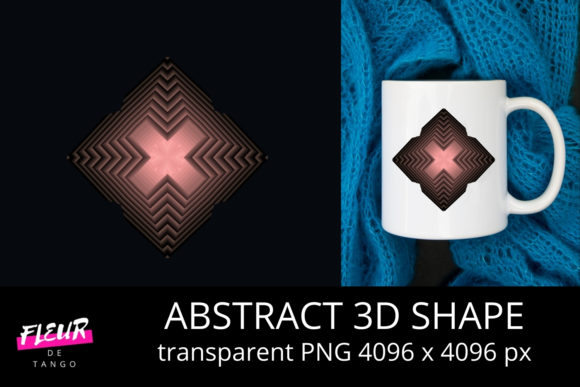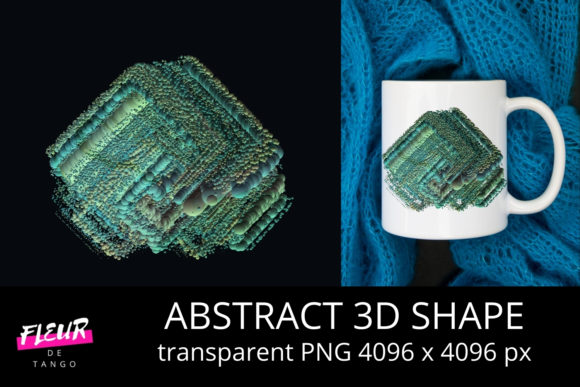
Abstract 3D Shape V.15: A Practical Guide to Integrating Transparent Assets into Creative Workflows
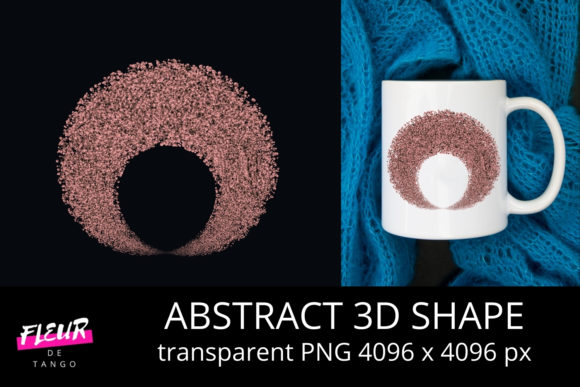
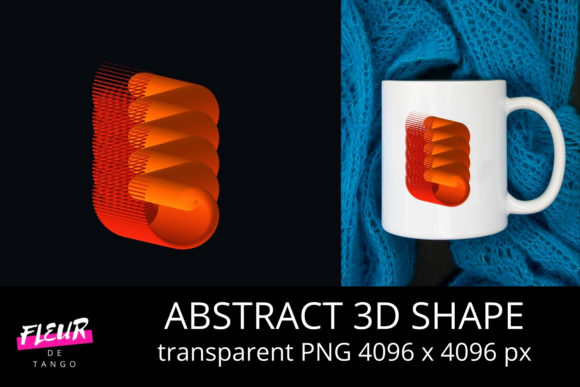
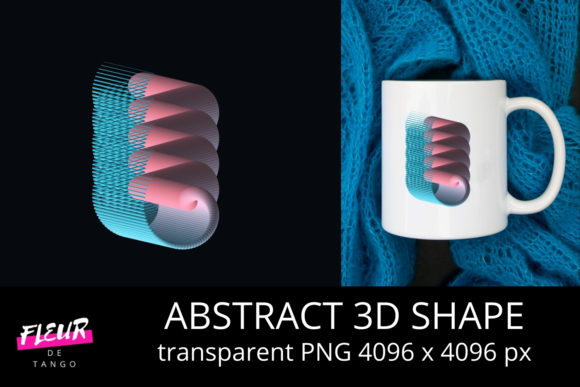
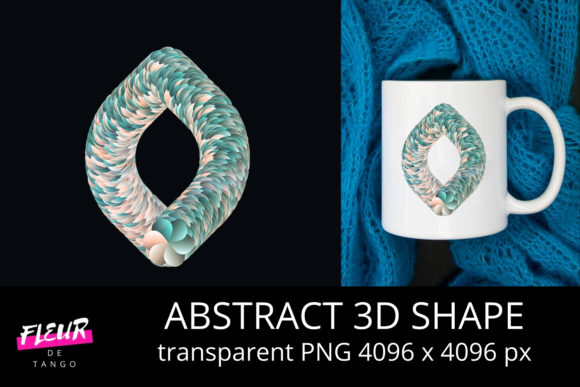
In the modern digital landscape, the difference between a generic design and a professional-grade asset often comes down to the quality of the underlying elements. Abstract 3D Shape V.15 represents a specific category of high-fidelity visual components designed to elevate projects without overwhelming the user with complex file structures or watermarks. This resource is delivered as a single transparent .PNG file, a format that prioritizes versatility and immediate usability across a wide range of applications.
For professionals, entrepreneurs, and creators aged 20 to 50, the value of such an asset lies not just in its aesthetic appeal, but in how seamlessly it integrates into existing workflows. Whether you are a marketer preparing a social media campaign, a small business owner designing merchandise, or an educator creating engaging presentation slides, the ability to drop a high-quality element into a project without background interference is crucial. The absence of watermarks in the downloaded files ensures that the final output remains clean and ready for commercial distribution, eliminating the need for time-consuming post-processing to remove distracting overlays.
The Strategic Role of Abstract 3D Shape V.15 in Design Planning
Understanding where Abstract 3D Shape V.15 fits into your broader process begins with recognizing the nature of the design phase. In many creative workflows, the initial stage involves gathering assets that can serve as focal points or structural supports for the final composition. Unlike flat vector graphics or raster images with hard edges, this 3D shape offers depth and dimensionality that can instantly add sophistication to a two-dimensional layout.
When planning a project, such as launching a new product line or rebranding a service, designers often struggle to find elements that bridge the gap between minimalism and complexity. This transparent PNG file serves as a bridge. It allows you to layer textures, gradients, and typography over a three-dimensional form without worrying about clipping paths or manual masking. By integrating this asset early in the planning stage, you establish a visual anchor that guides the color palette and spatial arrangement of the entire piece.
The transparency of the file is particularly significant for efficiency. In a typical workflow, removing backgrounds from purchased stock photos can consume hours of editing time. With Abstract 3D Shape V.15, that step is bypassed entirely. You receive a clean slate that can be placed directly onto any background—whether it is a dark mode interface, a vibrant marketing banner, or a printed t-shirt mockup. This immediacy accelerates the transition from concept to execution, allowing teams to iterate faster and meet tight deadlines without sacrificing visual quality.
Integration Across Diverse Professional Sectors
The utility of this asset extends far beyond traditional graphic design studios. Its application spans various industries, each leveraging the 3D form for different strategic outcomes. For marketers, these shapes are ideal for creating eye-catching thumbnails for video content or dynamic headers for email newsletters. The lack of a watermark means the image can be used freely in paid advertising campaigns without legal ambiguity or the risk of looking unprofessional due to missing licensing artifacts.
Small business owners and freelancers often wear multiple hats, managing everything from product development to customer communication. For these users, Abstract 3D Shape V.15 acts as a force multiplier. It enables the creation of cohesive branding materials on a budget. Imagine using the same shape across a website hero section, a business card, and a promotional mug. The consistency in visual language builds trust with the audience, while the transparent format ensures the shape adapts perfectly to the varying dimensions of each medium.
Educators and bloggers also benefit significantly from this tool. When explaining complex concepts or breaking down data, static charts can sometimes fail to capture attention. Incorporating a subtle 3D element like this shape can break up text-heavy articles or lecture slides, making the information more digestible. Because the file is a single transparent PNG, it loads quickly on web pages and displays clearly on mobile devices, ensuring that the educational content reaches the widest possible audience without technical friction.
Workflow Optimization and Technical Considerations
Successful implementation of Abstract 3D Shape V.15 requires more than just downloading the file; it demands a thoughtful approach to organization and compatibility. Before diving into the creative process, it is essential to ensure that your software environment supports high-resolution PNGs with alpha channels. Most modern design platforms, including Adobe Photoshop, Illustrator, Canva, and Figma, handle these files natively, but understanding the resolution limits is key to maintaining quality control.
One of the primary factors in long-term use is scalability. While the provided file is optimized for standard screen resolutions, printing applications may require higher DPI settings. If you plan to use the shape for physical products like T-shirts or mugs, verify the pixel dimensions against the print requirements of your chosen vendor. The transparency feature simplifies this process, as you can resize the shape within your design software without introducing jagged edges or white halos that often plague poorly cropped images.
Efficiency is further enhanced by how the asset interacts with other tools. In a collaborative environment, sharing a transparent PNG is straightforward. Team members can drag and drop the file into their own projects without needing access to the original source layers. This reduces version control issues and ensures that everyone is working from the same visual standard. Furthermore, because the file contains no embedded metadata or hidden watermarks, it is safe to share with clients or external partners without risking intellectual property confusion.
Practical Implementation Tips for Consistency
To get the most out of Abstract 3D Shape V.15, consider establishing a personal or team library dedicated to 3D assets. Organize the file alongside other core brand elements, such as fonts and color palettes. This preparation step streamlines the creative process, allowing you to focus on the message rather than the mechanics of finding the right graphic. When building a brand kit, include usage guidelines for the shape, specifying minimum sizes and recommended background contrasts to maintain legibility and impact.
Another practical tip involves experimenting with blending modes. Since the shape is transparent, applying different blend modes in your design software can drastically alter its appearance without changing the file itself. Overlaying the shape on a gradient might create a glass-like effect, while placing it on a solid color could emphasize its volume and texture. This flexibility allows for endless variations from a single asset, maximizing the return on your investment.
Quality control should also extend to the final export. Even though the source file is clean, exporting your final design requires care. Ensure that transparency is preserved during the save process, especially if you are moving between different file formats. For web use, optimizing the PNG size without losing detail will improve load times, which is a critical factor for SEO and user experience. For print, double-check that the color profile matches the printer's specifications to avoid unexpected shifts in hue or brightness.
Long-Term Value and Creative Evolution
The true measure of a design asset is its longevity. Abstract 3D Shape V.15 is not merely a temporary decoration; it is a foundational element that can grow with your projects. As trends shift, the neutral yet sophisticated nature of abstract 3D forms allows them to remain relevant longer than overly stylized or dated graphics. This makes them an excellent choice for evergreen content, such as educational resources or permanent branding materials.
Furthermore, the simplicity of the format encourages experimentation. Creators who might hesitate to tackle complex 3D modeling software can still achieve professional results by utilizing this pre-made asset. It democratizes access to high-end visual effects, empowering hobbyists and solo entrepreneurs to compete with larger agencies. By removing the technical barriers to entry, the focus returns to strategy, storytelling, and the core goals of the project.
In conclusion, integrating Abstract 3D Shape V.15 into your workflow is a decision that balances aesthetic enhancement with operational efficiency. From the initial planning stages through to final execution and distribution, the transparent .PNG format provides the flexibility needed to adapt to diverse contexts. Whether you are designing a marketing deck, a custom product line, or an educational module, this asset offers a reliable, watermark-free solution that respects your time and elevates your work. By treating it as a core component of your design toolkit, you can streamline your processes and produce consistently high-quality results across every creative endeavor.